
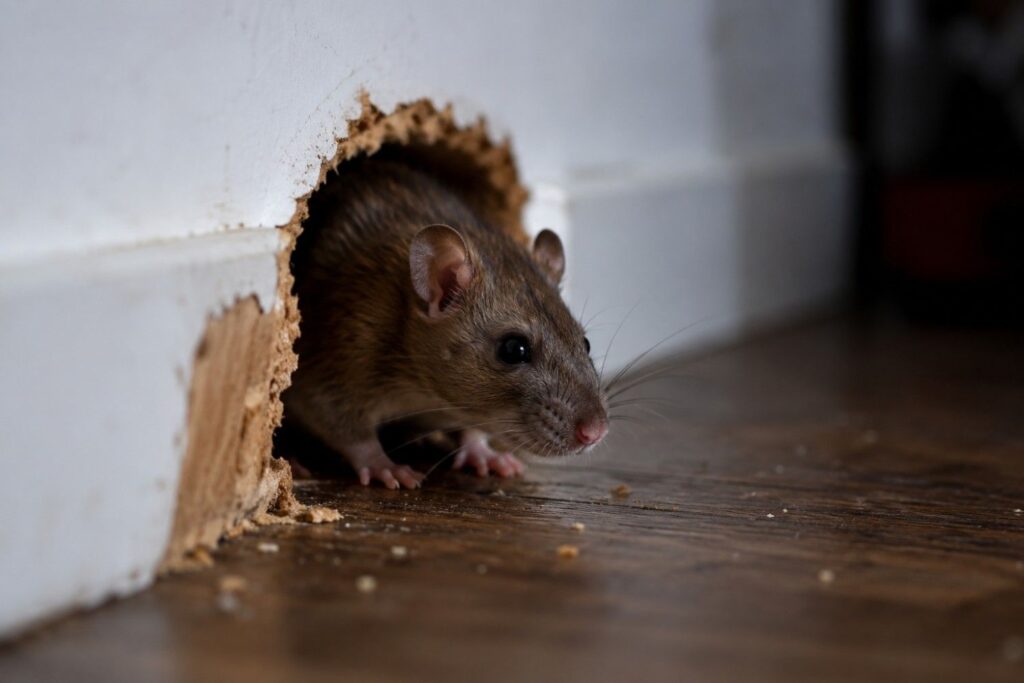
Hearing scratching in your walls at night or finding droppings in your kitchen can turn your home from a sanctuary into a source of stress. If you are wondering why rats are coming into your house, you are not alone. Understanding why rats are coming into your house and how to stop them is the first step toward eliminating a rat problem permanently and protecting your home from future infestations. These intelligent rodents do not enter homes by accident. They are driven by three basic needs: food, water, and shelter. When your property unintentionally provides these resources, rats see your home as an ideal habitat.
This guide explains the most common reasons for a rat problem in the house, identifies the warning signs of rats in house, and provides actionable, proven strategies for how to stop rats in house and protect your family long term.
Why Rats Are Coming Into Your House: The Three Core Reasons
Rats are opportunistic survivors. They do not seek conflict with humans, but they will exploit any opening that meets their survival needs. Before reviewing specific entry points and solutions, it helps to understand the fundamental drivers behind rat infestation in house.
Food Scarcity Drives Indoor Foraging
Rats need only a small amount of food daily to survive. Open trash cans, unwashed dishes, exposed pantry items like grains and pet food, and even fallen fruit from outdoor trees create an irresistible buffet. When outdoor food sources become scarce, particularly in cooler months, rats naturally move indoors where meals are predictable and easy to access.
Water Sources Provide Essential Survival
Like all living creatures, rats require regular access to water. Leaking pipes under sinks, clogged drains that hold standing water, condensation in crawl spaces, and even pet water bowls left overnight can sustain a rodent population. A single dripping faucet provides enough moisture for multiple rats to thrive.
Shelter and Nesting Opportunities
Rats seek warm, quiet, undisturbed spaces to build nests and raise young. Cluttered attics, unused basements, storage rooms filled with cardboard boxes, and wall voids offer ideal nesting conditions. Once rats establish a nest inside your home, they are highly motivated to defend and expand their territory.
How Rats Enter Your House and How to Stop Them
One of the most frequent questions homeowners ask is how rats enter house through small holes. The answer lies in their unique physical adaptation. Rats have flexible skeletons that allow them to squeeze through openings as small as a quarter inch. If you can fit a pencil through a gap, a rat can likely follow. Understanding these access points is critical for effective rat control at home.
To help you identify and prioritize sealing efforts, the following table maps common rat entry points to their typical locations and the most effective sealing methods. This reference supports your strategy for how to seal houses to stop rats.
| Entry Point | Typical Location | Recommended Sealing Method |
| Foundation cracks | Base of exterior walls, especially near soil contact | Fill with hydraulic cement, then seal with exterior-grade caulk |
| Utility pipe gaps | Where plumbing, electrical, or gas lines enter the home | Pack with copper mesh or steel wool, then seal with caulk or expanding foam |
| Damaged vents | Attic, crawl space, or dryer vents | Cover with 1/4 inch hardware cloth or heavy-duty metal mesh |
| Gaps under doors | Exterior entry points, garage doors | Install sturdy door sweeps and weather stripping |
| Roofline access | Damaged soffits, loose shingles, overhanging branches | Repair roofing materials and trim branches at least 3 feet from roof |
| Chimney openings | Uncapped chimneys or damaged flue covers | Install a professional-grade chimney cap with mesh screening |
| Window screen damage | Older windows, basement egress windows | Replace with heavy-duty metal mesh screens rated for pest exclusion |
Signs of Rats in Your House You Should Never Ignore
Early detection is essential for effective rat control at home. Rats are nocturnal and skilled at avoiding direct contact, which is why many homeowners only discover an issue after significant damage has occurred. Recognizing the signs of rats in house allows you to act quickly before a small problem becomes a full rat infestation in house.
The table below outlines the most reliable indicators of rodent activity, where to look for them, and what each sign suggests about the severity of your situation. Use this checklist to assess whether you are dealing with occasional visitors or an established colony.
| Warning Sign | Where to Check | What It Indicates |
| Droppings | Kitchen cabinets, pantry shelves, along baseboards, attic insulation | Active feeding and travel routes; fresh droppings are dark and moist |
| Gnaw marks | Wooden beams, electrical wires, plastic containers, food packaging | Rats are actively nesting and expanding access; electrical gnawing poses fire risk |
| Grease marks | Along walls, beams, or entry points where rats repeatedly travel | Established runways indicating frequent movement between nest and food sources |
| Scratching noises | Walls, ceilings, or under floors, especially at night | Active nesting or foraging; sounds often increase during breeding seasons |
| Nests made of shredded material | Hidden corners of attics, basements, behind appliances | Established breeding site; likely multiple rats present |
| Unusual pet behavior | Dogs or cats fixating on walls, floors, or appliances | Pets often detect rodent movement before humans notice visible signs |
How to Stop Rats in Your House: Step-by-Step Action Plan
Addressing a rat problem in house requires a systematic approach. Quick fixes like setting a single trap or spraying repellents rarely deliver lasting results. The most effective strategy for how to get rid of rats in home permanently combines exclusion, sanitation, habitat modification, and targeted removal. This four pillar framework ensures you address both the symptoms and root causes of rodent activity.
Pillar 1: Seal Entry Points to Block Access
Prevention begins with exclusion. No amount of trapping will solve your issue if rats can simply re-enter through unsealed gaps. Start with a thorough exterior inspection during daylight hours. Use a flashlight to identify gaps around utility lines, foundation cracks, and roofline vulnerabilities. Seal openings with durable materials like steel wool, copper mesh, or hardware cloth, then secure with caulk or mortar. Remember that rats can chew through soft materials like foam or plastic, so always combine exclusion materials with a rigid barrier.
Pillar 2: Eliminate Food and Water Sources
Removing attractants reduces the incentive for rats to enter or remain in your home. Store all pantry items, pet food, and snacks in airtight glass or heavy plastic containers. Wipe down kitchen counters nightly, wash dishes promptly, and sweep floors to remove crumbs. Ensure indoor and outdoor trash cans have tight-fitting, locking lids. Fix leaking faucets, repair clogged drains, and eliminate standing water in plant saucers or outdoor containers. When rats cannot find reliable meals or hydration indoors, they are far less likely to establish residency.
Pillar 3: Declutter and Modify Habitat
Rats prefer dark, undisturbed spaces for nesting. Reduce clutter in attics, basements, garages, and storage rooms. Replace cardboard boxes with sealed plastic bins that rodents cannot chew through. Keep firewood stacked at least 20 feet away from your home’s exterior. Trim overgrown shrubbery, tall grass, and tree branches that provide cover or direct access to your roofline. A tidy, well-maintained property offers fewer hiding spots and makes rodent activity easier to detect early.
Pillar 4: Use Strategic Trapping and Monitoring
When rats are already present, trapping helps reduce the population while you implement exclusion and sanitation measures. Place snap traps or electronic traps along walls, behind appliances, or near suspected entry points, as rats typically travel close to edges. Bait traps with sticky, aromatic foods like peanut butter or dried fruit, which are harder for rats to remove without triggering the mechanism. Avoid relying solely on poison, which can cause rats to die inside walls and create odor issues. Check traps daily and dispose of captured rodents safely.
DIY vs Professional Rat Control: What Works Best for Your House
Many homeowners begin with home remedies for rats, such as peppermint oil, ultrasonic devices, or mothballs. While these methods may offer temporary deterrence, they rarely provide a permanent solution for rats in house. Understanding the limitations of DIY approaches helps you decide when to escalate to professional pest control for rats.
The following table compares common DIY methods with professional rodent control services, highlighting effectiveness, longevity, and ideal use cases. This comparison supports informed decision-making for how to remove rats from home efficiently and safely.
| Method | Effectiveness | Longevity | Best Use Case |
| Peppermint oil or essential oil sprays | Low to moderate; rats may avoid treated areas temporarily | Short-term; requires frequent reapplication | Minor deterrent for occasional visitors in small, enclosed spaces |
| Ultrasonic repellent devices | Inconsistent; effectiveness varies by rodent species and environment | Moderate; may work while device is active | Supplemental use in conjunction with exclusion and sanitation |
| DIY snap traps with proper baiting | High for individual rats; requires strategic placement and monitoring | Ongoing; traps must be checked and reset regularly | Active infestations with visible activity and accessible runways |
| Sealing entry points with durable materials | Very high; prevents re-entry when done comprehensively | Permanent; requires periodic inspection for new gaps | Foundational prevention for all homes, regardless of current infestation |
| Professional inspection and exclusion service | Very high; experts identify hidden entry points and nesting sites | Long-term; includes warranty and follow-up monitoring | Moderate to severe infestations, hard-to-access areas, or recurring problems |
| Integrated pest management by licensed professionals | Highest; combines exclusion, sanitation guidance, trapping, and monitoring | Permanent solution with ongoing support | Complex infestations, health safety concerns, or when DIY efforts have failed |
When to Call a Professional Rat Control Service for Rats in Your House
There are clear indicators that your rat problem in house requires expert intervention. If you notice gnawing on electrical wiring, hear activity in multiple areas of your home, or find evidence of nesting in wall voids or ceilings, professional assistance is strongly recommended. Rats reproduce rapidly, and a small issue can escalate into a widespread rat infestation in house within weeks. Licensed pest professionals have the tools, training, and experience to locate hidden entry points, safely remove established colonies, and implement exclusion strategies that deliver lasting results.
Additionally, if you have tried multiple home remedies for rats without success, or if you are concerned about health risks like salmonella or hantavirus exposure, contacting a professional is the safest course of action. Experts can also provide guidance on preventing future issues, ensuring your home remains protected long after the immediate problem is resolved.
Final Thoughts on Why Rats Are Coming Into Your House and How to Stop Them
Understanding why rats are coming into your house empowers you to take decisive action. By addressing the core motivations of food, water, and shelter, sealing entry points with durable materials, and maintaining a clean, clutter-free environment, you create a property that is far less attractive to rodents. Consistent prevention is always more effective and less stressful than emergency removal.
For homeowners seeking reliable, long-term protection, Softcare Pest Control offers comprehensive rodent control at home services. Their approach combines thorough inspection, humane removal, expert exclusion, and ongoing monitoring to ensure your home stays rat-free. With a focus on safety, effectiveness, and customer education, they provide the permanent solution for rats in house that DIY methods often cannot deliver.
When you invest in professional guidance and proven prevention strategies, you protect not only your property but also your family’s health and peace of mind. A rat-free home is within reach when you combine knowledge, action, and the right support.
FAQs on How to Stop Rats Coming Into Your House Permanently
Why are rats suddenly coming into my house?
Rats usually enter homes in search of food, water, and shelter. Changes in weather, open food sources, garbage buildup, or nearby construction can force them indoors.
How do rats enter a home through small spaces and cracks?
Rats can squeeze through very small openings, even as small as a coin-sized gap. They enter through wall cracks, drainage pipes, vents, and gaps under doors.
What attracts rats to houses in the first place?
Rats are attracted to food crumbs, uncovered garbage, pet food, and cluttered storage areas. Warm and hidden spaces also make homes ideal nesting spots.
Are rats dangerous for health and hygiene in the home?
Yes, rats can spread diseases through urine, droppings, and contaminated food. They also carry bacteria that can cause serious health issues like leptospirosis.
How can I identify if I have a rat infestation at home?
Common signs include rat droppings, scratching sounds in walls or ceilings, gnawed furniture or wires, and foul odor in hidden areas.
What are the most common signs of rats in the kitchen or ceiling?
Chewed food packets, droppings near cabinets, scratching noises at night, and damaged pipes or wires are strong signs of rats in these areas.
How can I stop rats from entering my house permanently?
Seal all cracks and holes, store food in airtight containers, keep your home clean, and remove garbage regularly. Professional pest control gives long-term protection.
What are the best home remedies to get rid of rats?
Peppermint oil, cloves, ammonia, and strong-smelling substances placed in corners can help repel rats, but they are not always a permanent solution.
Why do rats keep coming back even after cleaning the house?
Rats return if entry points are not sealed or if nearby surroundings still provide food and shelter. Without proper rodent control, infestations often repeat.
When should I call a professional pest control service for rats?
If you notice repeated sightings, damage, or droppings, it’s best to call professionals. They use safe and effective methods to eliminate rats completely.