
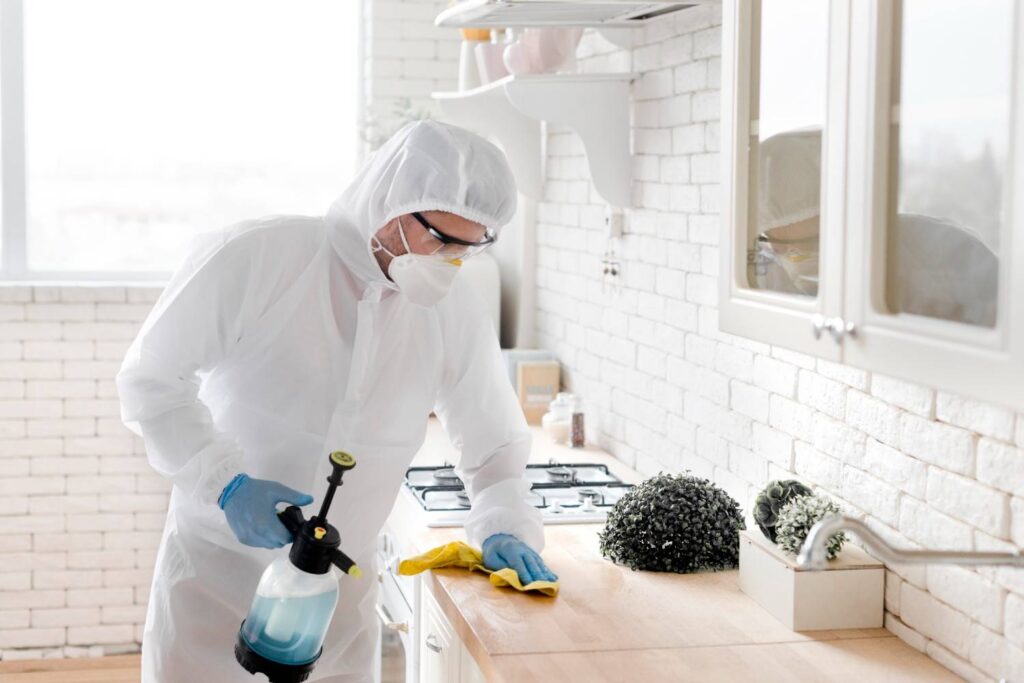
Your kitchen isn’t just where meals are made. It’s a sanctuary of health and nourishment for your family. But in Indian households, where spices are stored in bulk, fruits ripen on counters, and meals are prepared multiple times a day, kitchens can unintentionally become a paradise for pests. From cockroaches scurrying under the sink to ants forming trails across your sugar jar, even minor lapses in hygiene can invite serious infestations. That’s why consistent pest control in the kitchen is not optional. It’s essential. Unlike other rooms, the kitchen combines food, moisture, warmth, and organic waste, creating the perfect storm for pests to thrive. In this detailed guide, you’ll discover 10 science-backed, practical habits to prevent infestations, understand which pests target Indian kitchens most, learn about safe and natural prevention methods, and know exactly when to call trusted professionals.
Pest control in the kitchen refers to preventive and professional methods used to eliminate insects and rodents from cooking areas while ensuring food safety, hygiene, and family health.
Why Pest Control in Kitchen Is Essential for Health & Hygiene
Pests don’t just cause discomfort. They pose real health risks. Cockroaches carry Salmonella and E. coli, which can lead to foodborne illnesses. Rodents spread Leptospirosis through urine and contaminate stored grains. Even fruit flies, though tiny, breed in decomposing matter and can transfer bacteria to food surfaces. In homes with children, elderly members, or those with allergies, pest exposure can trigger asthma or skin reactions. Moreover, repeated infestations can damage cabinets, chew through electrical wires, and compromise your home’s hygiene reputation. Proactive kitchen pest control is a vital layer of family care, just like washing your hands before cooking.
Common Pests Found in Indian Kitchens & What Attracts Them
Understanding your enemy is half the battle. Here’s a closer look at the usual suspects:
- Cockroaches: Thrive in warm, damp areas like under sinks, behind refrigerators, or inside dish drainers. They’re nocturnal, multiply rapidly, and are drawn to starchy residues and grease.
- Ants (especially sugar ants): Enter through window cracks or wall crevices. A single scout ant can lead hundreds to your open jaggery, honey, or fruit basket within minutes.
- Rats and Mice: Often enter via drainage pipes, roof gaps, or utility lines. They target rice, lentils, and packaged snacks, leaving gnaw marks and droppings.
- Fruit Flies: Breed in overripe bananas, open compost bins, or even the slimy film inside trash cans. Their life cycle is just 8 days, so populations explode quickly.
- Drain Flies (Moth Flies): Emerge from kitchen sink or floor drains where organic sludge accumulates. They don’t bite but indicate poor drainage hygiene.
Each pest requires a tailored prevention strategy, because what deters ants won’t stop rats.
10 Simple & Effective Pest Control Tips for Kitchen
Tip 1: Clean Counters & Stovetops After Every Use
Oil splatters and food crumbs are invisible invitations. Use a damp cloth with a few drops of vinegar or neem water to clean surfaces daily. Pay attention to backsplashes, knobs, and around the gas stove, which are common grease traps.
Tip 2: Wash Dishes Immediately & Avoid Overnight Piling
Even a single plate with leftover dal or oil can attract cockroaches overnight. If you must delay washing, rinse thoroughly and store upside down in a closed dishwasher or covered tray.
Tip 3: Store Dry Groceries in Airtight, Pest-Proof Containers
Cardboard packets of turmeric, rice, or besan are no match for pantry pests like kitchen moths or pulse beetles. Transfer everything into glass jars with locking lids or BPA-free plastic containers. Label with dates to track freshness.
Tip 4: Dispose of Kitchen Garbage Daily in Sealed Bins
Wet waste, especially vegetable peels, tea leaves, or meat scraps, should never sit for more than 12 hours. Use pedal bins with tight-sealing lids and line them with biodegradable bags. Clean the bin weekly with baking soda and vinegar to eliminate odors.
Tip 5: Fix Leaky Faucets, Pipes & Moisture Issues Promptly
Cockroaches and rodents can survive on just one drop of water per day. Check under the sink, around the dishwasher hose, and near the washing machine connection. Even condensation on pipes can sustain pests.
Tip 6: Seal Cracks, Gaps & Entry Points Around the Kitchen
Use silicone caulk or expanding foam to close openings:
- Around plumbing pipes entering walls
- Gaps between tiles and baseboards
- Window and door frames
- Electrical outlet backs near the kitchen
Even a 3mm gap is enough for ants or baby cockroaches to squeeze through.
Tip 7: Sweep & Mop Kitchen Floors Daily, Especially After Dinner
Food particles fall silently. Sweep before mopping to remove debris, then use warm water with two to three drops of clove or eucalyptus oil. These essential oils act as natural repellents without harming pets or children.
Tip 8: Keep Kitchen Areas Clutter-Free & Well-Organised
Avoid stacking newspapers, empty boxes, or unused kitchenware near food zones. Clutter provides hiding spots and traps moisture. Store appliances like mixers or grinders in closed cabinets when not in daily use.
Tip 9: Use Natural, Non-Toxic Pest Deterrents in Kitchen
These kitchen-safe methods work with Indian home routines:
- Bay leaves: Place two to three in rice and flour containers to repel weevils.
- Cinnamon sticks or powder: Sprinkle near window sills to deter ants.
- Neem leaves: Keep a small pouch near grains or in pantries. Neem’s bitter compounds repel insects.
- Clove-studded oranges: Place in corners for a pleasant smell that drives away flies and roaches.
Tip 10: Inspect Groceries Carefully Before Storing Them
Pests often hitchhike in packaging. Check for:
- Tiny holes in lentil or spice packets
- Webbing inside flour or suji bags (sign of moth infestation)
- Live insects in dried chilies or curry leaves
Unpack groceries outside or in a utility area first. Wipe down jars and bottles before storing.
Quick Summary: Kitchen Pest Prevention at a Glance
| Prevention Habit | Target Pests | Why It Works |
| Wipe counters daily | Cockroaches, ants | Removes food residues and grease that attract foragers |
| Wash dishes immediately | Cockroaches, fruit flies | Eliminates organic matter that breeds bacteria and pests |
| Use airtight containers | Weevils, moths, ants | Blocks access to dry food sources |
| Dispose of garbage daily | Flies, cockroaches, rodents | Reduces breeding sites and odor trails |
| Fix leaks | Cockroaches, rodents | Removes essential water sources |
| Seal cracks and gaps | Ants, cockroaches, mice | Cuts off entry routes into the kitchen |
| Sweep and mop floors | Ants, fruit flies | Removes crumbs and sticky residues |
| Reduce clutter | All pests | Eliminates hiding and nesting spots |
| Use natural deterrents | Ants, cockroaches, moths | Repels pests safely without chemicals |
| Inspect groceries | Pantry moths, beetles, weevils | Prevents accidental introduction of pests |
Is Pest Control in the Kitchen Safe for Food, Children & Pets?
Yes, when done responsibly. At Softcare Pest Control, we prioritize safe pest control in kitchen environments by using:
- Gel baits applied only in hidden zones (hinges, under sinks, behind appliances)
- Non-volatile, odorless formulations approved for residential use
- Zero spray near food prep areas or utensil storage
All treatments comply with Indian safety standards and are safe for homes with children, pets, and seniors. You can cook, store food, and use utensils immediately after our service. No waiting period is required.
When to Call Professional Pest Control for Kitchen Infestation
DIY prevention works well for maintenance, but if you notice:
- Live cockroaches during the day (indicates heavy infestation)
- Rat droppings near stored grains
- Persistent ant trails despite cleaning
- Foul smells from drains that don’t go away
- Tiny moths flying around your flour jars
It’s time for expert intervention. Softcare Pest Control uses Integrated Pest Management (IPM), a holistic approach that combines inspection, exclusion, sanitation advice, and minimal, targeted treatment. We don’t just kill pests. We eliminate conditions that invite them back.
How to Keep Your Kitchen Pest-Free Long Term
Your kitchen deserves more than a quick wipe-down. True kitchen pest control is a daily commitment, supported by smart habits and professional care when needed. At Softcare Pest Control, we’re passionate about helping Indian families enjoy cleaner, safer, and truly pest-free kitchens without relying on harsh chemicals or risky DIY sprays. Professional pest control in the kitchen ensures long-term hygiene and safety for your family.
Don’t wait for pests to take over your cooking space. Contact Softcare Pest Control today for a thorough, safe, and family-friendly kitchen pest inspection and treatment plan.
FAQs on Pest Control in Kitchen
Q. How often should pest control in the kitchen be done?
For prevention, maintain daily hygiene and schedule professional checks every four to six months. If you’ve had a past infestation, quarterly visits are recommended.
Q. Is pest control safe for kitchen utensils?
Yes. Professionals avoid direct contact with utensils, dishes, or food surfaces. Treatments are applied only in targeted, non-exposed areas.
Q. Can I cook after pest control in the kitchen?
Absolutely. Modern methods like gel baiting or bait stations require no shutdown period. You can cook immediately after treatment.
Q. Do pests return after kitchen pest control?
They can, if entry points remain open or hygiene slips. That’s why ongoing prevention and sealing gaps are crucial for long-term success.
Q. What is the best treatment for kitchen pests?
Integrated Pest Management (IPM), which combines sanitation, exclusion, monitoring, and minimal, precise chemical use, is the gold standard.
Q. What attracts pests to the kitchen the most?
The top three attractants are: accessible food (open containers), moisture (leaks, wet sponges), and organic waste (uncovered trash, fruit peels).
Q. Can natural remedies alone control kitchen pests permanently?
Natural methods are excellent for prevention and mild deterrence, but they rarely eliminate established colonies. For full eradication, professional treatment is often necessary.
Q. How long does professional pest control in kitchen last?
Most treatments provide two to four months of protection. Duration depends on pest type, home environment, and follow-up hygiene practices.
Q. Is gel pest control safe to use inside the kitchen?
Yes. Gel is applied in microscopic dots inside cracks, under appliances, or in cockroach hideouts never on surfaces that contact food.
Q. Should pest control in the kitchen be done separately or with whole-home treatment?
While kitchen-focused treatment helps, pests often nest in walls, drains, or adjacent rooms. A whole-home approach ensures complete coverage and prevents re-entry.
Q. Is professional pest control in the kitchen available in Navi Mumbai / Vashi / Thane?
Yes, professional pest control in the kitchen is available in Navi Mumbai, Vashi, and Thane through Softcare Pest Control, offering safe, effective, and customized solutions for homes and businesses.