
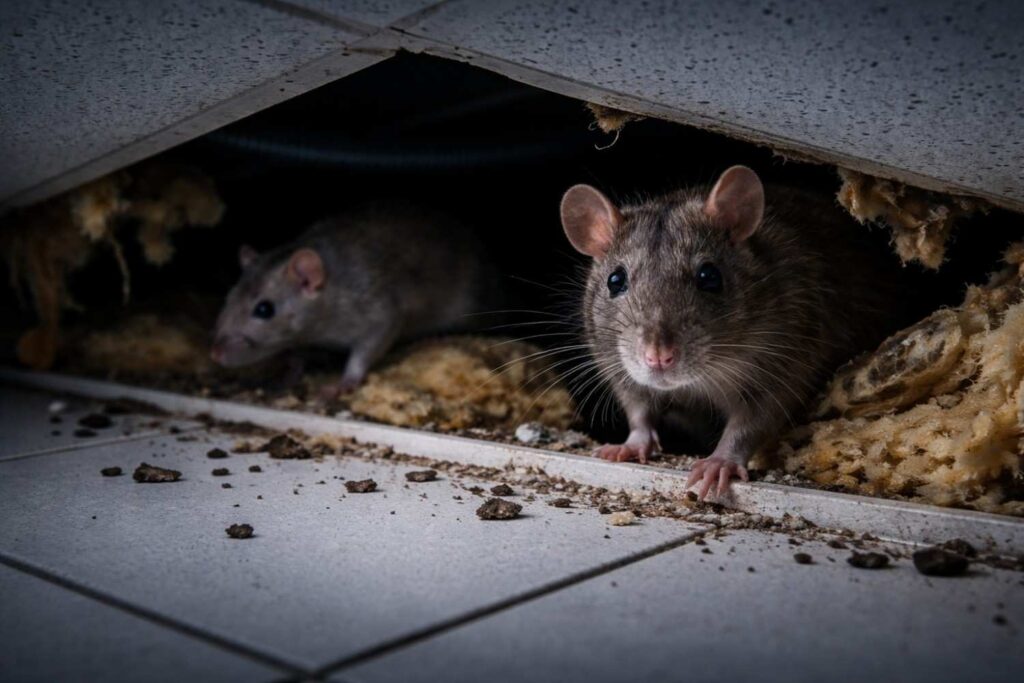
You are lying in bed, ready to sleep, when you hear it: a persistent scratching, scurrying, or thumping sound coming from above. Your heart races as you realize something is moving inside your false ceiling. Discovering rats in a false ceiling at night is a stressful experience that demands immediate attention. These nocturnal pests seek shelter, warmth, and safety in the hidden spaces above your rooms, and their presence can lead to serious property damage and health risks. Understanding what these sounds mean, how rats got in, and what steps to take next is essential for protecting your home and your family.
This guide will help you identify rat activity, eliminate the infestation safely, and prevent future problems with practical, proven strategies.
Why Do Rats Run in False Ceilings at Night? (Nocturnal Behavior Explained)
Rats are primarily nocturnal creatures, meaning they are most active during the night. This behavior explains why you hear rats in the ceiling at night more often than during daylight hours. Several factors drive this nighttime activity pattern.
Safety from Predators: False ceilings provide a dark, secluded environment where rats can move, feed, and nest without exposure to birds of prey, cats, or human activity. The quiet hours of night offer the perfect cover for their foraging trips.
Temperature Regulation: Attic and ceiling spaces tend to retain warmth from the day. At night, when outdoor temperatures drop, these areas become cozy shelters for roof rats and house rats seeking a stable environment.
Food-Seeking Patterns: Rats often venture out at night to search for food in kitchens, pantries, or garbage areas. After feeding, they return to their ceiling nests, creating the characteristic rats running in the ceiling at night sounds that homeowners notice.
Breeding and Nesting Activity: Nighttime is when rats engage in social behaviors, including grooming, playing, and caring for young. This activity generates scratching noise in the ceiling at night that can be surprisingly loud in quiet homes.
Understanding this behavior helps you interpret the rodent noise in false ceiling you hear and take targeted action rather than reacting in panic.
What Do Rats in the Ceiling Sound Like at Night? (Noise Identification Guide)
If you hear scratching sound in a false ceiling at night or rat noise in ceiling at night, compare your observations to this guide. This table helps you confirm whether rats inside the ceiling at night are the source of the disturbance.
| Sound | Description | Timing | Likely Source |
| Light Scratching | Soft, intermittent gnawing on wood or insulation. | Dusk to dawn. | Rats or mice feeding or nesting. |
| Heavy Scurrying | Rapid pattering or running sounds. | Peaks after sunset and before sunrise. | Rats running in ceiling at night along beams. |
| Thumping | Occasional heavier dropping or shifting sounds. | Irregular, during active periods. | Rats moving nesting material or jumping. |
| Gnawing | Repetitive gritty scraping or crunching. | Sustained bursts during activity. | Rats chewing wires, wood, or pipes. |
| Squeaking | High-pitched vocalizations in short sequences. | During social interactions. | Rat communication, especially young or mating. |
| Rustling | Soft shuffling in insulation. | Throughout the night. | Rats disturbing insulation while nesting. |
| Non-Rodent | Single thuds, fluttering, or rhythmic tapping. | Varies by source. | House settling, birds, plumbing, or HVAC. |
Signs of Rats in a False Ceiling (Complete Inspection Checklist)
Sounds alone are not always conclusive. Look for these physical indicators to confirm a rat infestation in the ceiling. Early detection prevents extensive damage and health hazards.
If you suspect rats in a false ceiling of a house, review these specific signs. This checklist covers the most reliable clues professionals use to diagnose rodent activity in ceiling spaces.
| Sign | What to Look For | Why It Matters | Action |
| Rat Droppings | Dark, spindle-shaped pellets (1/2 inch) near insulation or corners. | Confirms active presence. Fresh = moist/dark. | Wear gloves/mask. Do not sweep dry. Call pro. |
| Grease Marks | Dark smudges along beams or entry holes from oily fur. | Shows frequent travel routes. | Mark pathways for trap placement. |
| Chewed Wires | Frayed cables or gnawed wood with tooth marks. | Fire hazard from exposed wires. | Turn off power if safe. Call the pro immediately. |
| Nesting Material | Shredded paper, fabric, or insulation in corners. | Confirms active breeding colony. | Do not disturb. Document for pest control. |
| Musky Odor | Strong ammonia-like smell in ceiling spaces. | Indicates large or long-standing infestation. | Improve ventilation. Seek professional cleanup. |
| Entry Holes | Small openings (1/2 inch) near rooflines, vents, or pipes. | Rats squeeze through tiny gaps. | Temporarily stuff with steel wool. Seal permanently. |
| Tracks | Dusty footprints or tail marks on beams or insulation. | Maps rat travel patterns for targeting. | Photograph for reference before cleaning. |
How Do Rats Enter False Ceilings? Common Entry Points Homeowners Miss
Understanding how rodents get into the ceiling is essential for effective exclusion. Rats are skilled climbers and can exploit surprisingly small vulnerabilities. This table details the most common rat entry points and how to address each.
| Entry Point | How Rats Use It | Inspection Tip | Sealing Fix |
| Roof Vents/Soffits | Climb trees/walls to reach vents, then enter ceiling voids. | Check for loose screens or gaps. Look for droppings. | Install 1/4-inch hardware cloth. Secure with rust-proof screws. |
| Gaps Around Pipes | Plumbing or electrical lines create openings through walls. | Inspect where pipes enter the house. Look for chewed sealant. | Pack steel wool tightly, then cover with pest-rated caulk. |
| Roofline Damage | Broken tiles or loose fascia provide direct roof access. | Use binoculars to spot damage. Check eaves for nesting. | Repair roofing promptly. Install metal flashing on edges. |
| Overhanging Branches | Trees act as bridges for rats to climb onto roof. | Trim branches to 6+ feet from roofline. Check for nests. | Prune regularly. Remove dense ivy or vines near house. |
| Wall Vents/Crawl Spaces | Unscreened vents allow rats to enter walls and travel up. | Inspect vents for damaged screens. Check for tracks in dust. | Cover vents with 1/4-inch mesh. Seal foundation cracks. |
| Shared Walls (Condos) | Rats travel through shared wall voids from neighboring units. | Coordinate with management. Check shared utility shafts. | Seal gaps around pipes in your unit. Advocate building-wide exclusion. |
Why Rats Choose False Ceilings for Nesting and Shelter
Beyond simple access, false ceilings offer rats several survival advantages that explain why rats come in false ceilings so frequently.
Ideal Nesting Environment: False ceilings are dark, quiet, and undisturbed, providing perfect conditions for building nests and raising young. The insulation material itself is often used as nesting material, making the space both shelter and resource.
Protection from Weather and Predators: Enclosed ceiling spaces buffer temperature extremes and shield rats from rain, wind, and natural predators. This stable environment supports year-round habitation, especially in regions with harsh seasons.
Proximity to Food and Water: Kitchens, pantries, and bathrooms are often located directly below ceiling spaces. Rats can drop down through small openings to access food scraps, pet food, or condensation from pipes, then retreat safely above.
Complex Navigation Routes: Ceiling voids connect to walls, attics, and utility chases, creating a hidden highway system. Rats on roofs at night can travel extensively without ever being seen, making infestations hard to detect until damage occurs.
Understanding these motivations helps you address the root causes, not just the symptoms, of rat infestation in the ceiling.
Dangers of Rats in Ceiling: Health Risks and Property Damage
Ignoring rats inside the ceiling at night carries serious risks that extend far beyond sleepless nights.
Electrical Wire Damage and Fire Hazard: Rats gnaw constantly to keep their teeth sharp. When they chew on electrical wiring in ceiling spaces, they expose live wires that can spark and ignite insulation or wood framing. This electrical wire damage is a leading cause of unexplained house fires in infested properties.
Health Risks from Droppings and Urine: Rat droppings, urine, and saliva can harbor pathogens like hantavirus, leptospirosis, and salmonella. When dried particles become airborne during cleaning or ceiling disturbances, they pose inhalation risks, especially for children, elderly, or immunocompromised individuals.
Structural and Insulation Damage: Ceiling insulation damage from nesting and travel reduces your home’s energy efficiency, raising heating and cooling costs. Persistent gnawing can also weaken wooden beams, drywall, or ceiling panels over time.
Contamination of Living Spaces: Rats traveling between ceiling voids and living areas can transfer dirt, pathogens, and allergens to surfaces, food storage areas, or HVAC systems, potentially affecting indoor air quality.
Psychological Stress: The persistent noise in the false ceiling at night causes anxiety, sleep disruption, and a sense of vulnerability in your own home. This emotional toll is a valid reason to address infestations promptly.
What to Do Immediately If You Hear Rats in Your Ceiling at Night
If you confirm or strongly suspect rats in a false ceiling at night, act quickly but safely. Follow this step-by-step plan to limit damage while arranging professional help.
- Do Not Disturb the Nesting Area: Avoid poking ceiling panels, spraying insecticides, or attempting to flush rats out. Disturbing rats can cause them to scatter deeper into walls or become aggressive.
- Secure Food and Water Sources: Store all food in airtight containers. Clean kitchen surfaces thoroughly. Fix leaky pipes or condensation issues that provide water. Remove pet food overnight.
- Temporarily Block Visible Entry Points: Use steel wool or metal mesh to cover holes larger than a pencil. Rats cannot chew through metal. Do not use caulk or foam alone, as rats can gnaw through these materials.
- Document Evidence Safely: Take clear photos of droppings, grease marks, chewed wires, or entry holes. Wear gloves and a mask if you must handle contaminated items. This documentation helps professionals assess severity quickly.
- Avoid DIY Traps Without Guidance: Snap traps or bait stations placed incorrectly can harm pets, children, or non-target wildlife. They may also scatter rats if not part of a comprehensive strategy.
- Contact a Licensed Pest Control Professional Promptly: Rat infestations require expertise in behavior, exclusion, and safe removal. A professional inspection is the fastest, most reliable way to stop rats in a false ceiling of a house from causing further damage.
Professional Removal Methods: How to Get Rid of Rats in False Ceilings
Deciding how to remove rats from the ceiling depends on infestation severity, property type, and safety considerations. Professional pest control services offer several proven, science-backed methods.
Inspection and Monitoring: Technicians use tools like thermal imaging, motion sensors, or tracking dust to map rat activity above ceilings. This precision targeting ensures treatment addresses all active zones, not just visible signs.
Exclusion and Sealing: The most permanent solution is to seal all rat entry points with durable materials like metal mesh, hardware cloth, or professional-grade sealants. This prevents re-entry after removal.
Trapping Strategies: Professionals use a combination of snap traps, live traps, or multi-catch devices placed along confirmed travel paths. Bait selection and placement are optimized for local rat behavior and safety.
Ultrasonic or Electronic Repellents: Devices that emit high-frequency sound waves (above 20 kHz) can deter rats from specific areas. Random-frequency models prevent rats from adapting to the sound. These work best as part of an integrated approach, not as standalone solutions.
Sanitation and Decontamination: After rat removal, professionals safely clean droppings, urine, and nesting material using EPA-approved disinfectants and HEPA filtration. This step is critical for health and odor elimination.
Ongoing Monitoring and Prevention: Reputable services include follow-up inspections and monitoring devices to confirm elimination and catch new activity early. Many offer warranties for peace of mind.
When evaluating how to get rid of rats in the ceiling, compare these professional methods. This table outlines effectiveness, best-use scenarios, and limitations to help you choose the right approach for rat removal from false ceilings.
| Method | Best For | Advantages | Limitations |
| Exclusion/Sealing | Preventing re-entry; new construction. | Permanent when thorough. Fixes root cause. | Requires finding all entry points. May need a pro assessment. |
| Professional Trapping | Active infestations with known pathways. | Targets rats directly. Humane or lethal options. | Needs strategic placement. May require multiple visits. |
| Ultrasonic Repellents | Mild cases or prevention in low-risk areas. | Humane, chemical-free, low maintenance. | Less effective for severe infestations. Rats may adapt. |
| Integrated Pest Management | Comprehensive, long-term control. | Combines inspection, exclusion, trapping, monitoring. | Requires pro expertise and ongoing commitment. |
| Sanitation/Decon | Post-removal cleanup for health safety. | Removes pathogens and odors. Restores safe conditions. | Must follow rat removal. Requires protective equipment. |
How to Prevent Rats in False Ceilings (Long-Term Prevention Tips)
Stopping rats before they enter is far easier than removing an established colony. These evidence-based practices reduce attractants, block access, and enable early detection.
- Maintain Exterior Barriers: Trim tree branches and shrubs to keep them at least 6 feet from your roof. Repair damaged roofing, vents, or siding promptly. Install metal flashing around vulnerable edges.
- Seal Interior Penetrations: Caulk gaps around pipes, cables, and ducts where they enter walls or ceilings. Use steel wool as a first layer for holes rats could chew through.
- Manage Food and Waste: Store pantry items, pet food, and birdseed in rodent-proof containers. Take out garbage regularly and use bins with tight-fitting lids. Clean up food spills immediately.
- Reduce Clutter and Harborage: Keep storage areas organized and elevated off the floor. Remove piles of cardboard, paper, or fabric that rats could use for nesting.
- Schedule Regular Inspections: Have a professional inspect your property annually, especially before colder months when rats seek indoor shelter. Early detection prevents small problems from becoming infestations.
- Monitor with Technology: Consider motion sensors, tracking dust, or professional monitoring systems to detect early rodent activity in ceiling voids before noises become noticeable.
Conclusion: Regain Peace of Mind with Expert Rat Control
Hearing rats in a false ceiling at night is more than a nuisance. It is a warning sign that requires prompt, professional attention. These intelligent pests can cause significant property damage, create health hazards, and disrupt your sense of safety at home. By recognizing early signs, sealing entry points, and partnering with experienced pest control experts, you can eliminate the infestation and protect your property long-term.
Prevention is your strongest defense. Regular inspections, proactive exclusion, and good sanitation practices create multiple layers of protection against future rodent problems. Remember that rats are adaptable and persistent. A comprehensive strategy, not quick fixes, delivers lasting results.
If you notice scratching sound in the false ceiling at night, droppings, or any other signs of rodent activity, do not wait for the problem to worsen. Timely professional intervention makes all the difference. For reliable, thorough inspection and humane, effective rat removal tailored to your home’s specific needs, trust the experts at Soft Care Pest Control. Their integrated approach addresses both visible activity and hidden entry points, using advanced methods to eliminate rats at the source and provide lasting peace of mind for you and your family.
FAQs About Rats in False Ceilings at Night
Why are rats coming from my false ceiling?
Rats emerge from false ceilings because these areas provide darkness, warmth, safety from predators, and easy access to food and water sources in your home.
Are rats in a ceiling a sign of a serious infestation?
Yes, hearing rats in the ceiling at night often indicates an established colony that has been nesting and breeding in your ceiling voids for weeks or months.
How do rats enter false ceilings?
Rats enter through roof vents, gaps around pipes, damaged rooflines, overhanging tree branches, or shared walls in multi-unit buildings, often exploiting openings as small as half an inch.
What are the early signs of rats in a false ceiling?
Early signs include scratching sound in the false ceiling at night, small dark droppings near insulation, grease marks along beams, chewed wires, and a persistent musky odor.
Can rats cause damage to my home?
Yes, rats can cause ceiling insulation damage, chew electrical wires creating fire hazards, contaminate spaces with droppings, and weaken structural elements over time.
What should I do if I hear rats running in the ceiling at night?
Do not disturb the area. Secure food sources, temporarily seal visible entry points with steel wool, document evidence safely, and contact a licensed pest control professional immediately.
How can I tell if the noise is rats or another animal?
Rats produce heavy scurrying, gnawing, or thumping sounds primarily at night. Squirrels are active during daytime; birds flutter; house settling creates single thuds. Use the sound identification table in this guide for comparison.
Should I try to remove rats from the ceiling myself?
DIY removal is risky and often ineffective for ceiling infestations. Rats can scatter, become aggressive, or re-enter through unsealed gaps. Professional expertise ensures safe, complete elimination.
How can I prevent rats from entering my false ceiling?
Seal all exterior gaps with metal mesh, trim trees away from the roof, store food in rodent-proof containers, reduce clutter, and schedule annual professional inspections.
When should I call pest control for rats in the ceiling?
Call pest control as soon as you notice persistent scratching noise in the ceiling at night, droppings, or other signs. Early intervention prevents colony growth, property damage, and health risks.